
If you’re a landlord, you’re going to need access to your rental sooner or later. Repairs. Routine inspections. Vendor visits. Showings. The problem is that “right to enter” is one of the fastest ways to trigger a tenant complaint if you handle it casually. A sloppy entry process can turn into claims of harassment, privacy invasion, or even retaliation—especially if the tenant recently complained about conditions or threatened to call code enforcement. This post gives you a clean, … [Read more...] about 24-Hour / Notice to Enter Template (Landlord Entry Notice) (Repairs, Inspection, Showings)
Pros and Cons of Hiring a Property Management Company (What Landlords Gain, What They Lose, and How to Decide)

Hiring a property management company can be a smart move for landlords who want fewer late-night calls, fewer tenant headaches, and a more “systemized” rental business. But it’s not automatically a win. Management companies cost money, reduce your direct control, and can create new risks if they screen poorly, delay repairs, or run your property like a volume business. The right question isn’t “Is a management company good?” It’s: Does a management company improve your results after fees, and do … [Read more...] about Pros and Cons of Hiring a Property Management Company (What Landlords Gain, What They Lose, and How to Decide)
Water Damage From Tenant Negligence: What Can You Charge Back? (Landlord-Safe Rules, Proof, and a Step-by-Step Playbook)

Water damage is one of the most expensive “gray area” disputes landlords face because it sits right at the intersection of habitability, maintenance, and tenant-caused damage. The short version: you can often charge a tenant back for water damage if you can prove the tenant’s negligence (or lease violation) caused the damage or made it worse. But you usually can’t charge tenants for normal wear, aging plumbing, hidden defects, or problems you failed to address after you had notice. In real life, … [Read more...] about Water Damage From Tenant Negligence: What Can You Charge Back? (Landlord-Safe Rules, Proof, and a Step-by-Step Playbook)
Renting Out a Condo vs a House (and Townhouse vs Apartment vs Duplex): What Changes for Landlords, What Can Go Wrong, and How to Choose
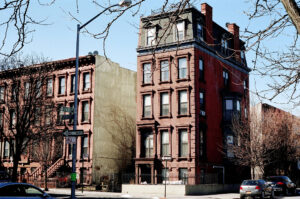
If you’re a landlord (or about to become one), the property type you rent out matters more than most people think. A condo rental can look “easier” because the HOA handles some exterior maintenance—until you run into rental caps, approval rules, special assessments, noise complaints, parking disputes, or an HOA that fines you for your tenant’s behavior. A single-family house rental gives you more control—until you’re the one paying for the roof, the sewer line, the yard, and every exterior … [Read more...] about Renting Out a Condo vs a House (and Townhouse vs Apartment vs Duplex): What Changes for Landlords, What Can Go Wrong, and How to Choose
Congress Introduced the “Eviction Crisis Act of 2026” (S.5535). Here’s What Landlords Should Know.

A new federal bill is on the table that could shape how evictions are tracked, discussed, and potentially enforced nationwide: S.5535, the “Eviction Crisis Act of 2026,” introduced September 24, 2026. This is not law (at least not yet). But it’s the kind of proposal landlords should pay attention to early, because even the conversation around a national eviction framework can influence state policy, court practices, and public narratives about housing providers. What is the Eviction Crisis … [Read more...] about Congress Introduced the “Eviction Crisis Act of 2026” (S.5535). Here’s What Landlords Should Know.
What Is a Landlord Responsible For? (Legal Duties, Real-World Examples, and a Landlord-Safe Checklist)

“What is a landlord responsible for?” sounds like a simple question—until you’re the one getting the 11:47pm text that there’s “no heat,” a tenant is threatening to call code enforcement, and you’re trying to figure out what’s legally required vs what’s just “nice to do.” In the U.S., landlord responsibilities are shaped by a few big forces: the warranty of habitability, state landlord-tenant statutes, local housing codes, your lease, and basic premises liability rules (injury claims). This … [Read more...] about What Is a Landlord Responsible For? (Legal Duties, Real-World Examples, and a Landlord-Safe Checklist)
NYC Rent Freeze Fallout: Landlords Sue, Tenant Groups Fight Back, and What It Could Mean for the Rest of the Country

New York City is once again the center of America’s rent control fight, and this time the headlines are sharp: landlords are suing over rent-stabilized rent freezes, and tenant advocates are pushing to get the case thrown out. If you’re a landlord anywhere in the U.S., it’s tempting to shrug and say, “That’s NYC, not my market.” But NYC is often a preview of what other cities try next. When rent freezes or strict caps become normal in one major market, the policy playbook spreads. And the … [Read more...] about NYC Rent Freeze Fallout: Landlords Sue, Tenant Groups Fight Back, and What It Could Mean for the Rest of the Country
Is a Landlord Responsible for an Exterminator? (Pest Control Rules, Real-World Scenarios, and How to Protect Yourself)

In most cases, yes—landlords are responsible for extermination when pests affect habitability, when the infestation is not clearly caused by the tenant, or when the problem exists in common areas or multi-unit buildings. But it’s not absolute. In many states, a tenant can be responsible if their actions caused the infestation (trash buildup, unsanitary conditions, bringing in infested furniture, pet food left out, etc.), or if the lease clearly assigns routine pest treatment to the tenant and … [Read more...] about Is a Landlord Responsible for an Exterminator? (Pest Control Rules, Real-World Scenarios, and How to Protect Yourself)